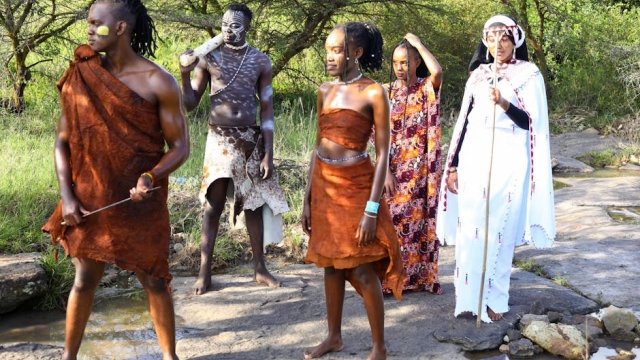

Herbalism has long been recognized as a vital aspect of human culture, serving not only as a means of healing but also as a bridge connecting people to their environment and heritage. In various societies, particularly within Viking culture, the practice of herbalism and healing has been intricately woven into the fabric of daily life, spirituality, and community. This article will explore the rich history of herbalism in Viking society, the influence of pagan traditions on healing practices, and the essential role of plants in ancient healing methods.
The Historical Context of Herbalism in Viking Culture
In Viking culture, herbalism was not merely a set of practices but a holistic approach to health and well-being. The Vikings had a profound understanding of the natural world and utilized local flora for medicinal purposes. This knowledge was passed down through generations, often through oral traditions. Ancient texts, sagas, and archaeological findings reveal that the Vikings employed a wide variety of herbs to treat ailments ranging from minor injuries to more serious conditions.
Herbs such as yarrow, chamomile, and nettle were commonly used, each with its unique healing properties. Yarrow, for instance, was known for its ability to staunch bleeding and treat wounds, while chamomile was favored for its calming effects. Such plants were often incorporated into teas, poultices, or tinctures, demonstrating a sophisticated understanding of preparation methods that maximized their therapeutic potential.
Pagan Traditions and Their Influence on Healing Practices
Pagan traditions played a significant role in shaping the healing practices of the Vikings. Many of their beliefs were rooted in a deep reverence for nature, which was perceived as sacred and imbued with spiritual significance. This connection to the earth meant that healing was often viewed as a harmonious interaction between the physical and the spiritual realms.
Rituals and ceremonies were integral to the practice of herbalism and healing, with many pagans believing that certain herbs could channel divine energies. For example, the use of mugwort was not only for its medicinal properties but also for its association with dreams and spiritual journeys. These rituals often involved the invocation of deities, ancestors, or nature spirits, emphasizing the belief that healing was a collaborative effort between the healer and the spiritual world.
The Role of Plants in Ancient Healing
The role of plants in ancient healing practices extended beyond mere physical remedies. Herbs were often intertwined with cultural narratives and mythologies, adding layers of meaning to their use. For instance, the elder tree was revered in many cultures, including the Vikings, believed to possess protective qualities and the ability to ward off evil spirits. This intertwining of plants with cultural identity highlights the importance of herbalism and healing as a practice deeply rooted in cultural heritage.
In addition to their symbolic significance, the practical applications of these herbs were well-documented. The Vikings practiced a form of empirical medicine, learning from experiences and observations. They would often experiment with different plants, noting their effects, which laid the groundwork for future generations to build upon this knowledge. This blend of practical application and spiritual understanding is what made their approach to healing both comprehensive and nuanced.
Continuity of Cultural Heritage in Modern Herbalism
As we reflect on the practices of herbalism and healing from Viking times to the present, it becomes evident that these ancient traditions continue to influence modern herbal practices. The revival of interest in natural remedies and holistic health reflects a growing acknowledgment of the wisdom contained within these cultural heritages. Today, many herbalists and healers draw upon historical knowledge, combining it with contemporary understanding to create effective healing practices that honor their roots.
Moreover, the ongoing exploration of herbalism serves to deepen our connection with nature and our cultural history. By understanding the role of plants in ancient healing, we can also appreciate the profound relationship between human beings and the natural world, which remains relevant in our quest for health and wellness.
In essence, the journey through the history of herbalism and healing not only uncovers the practices of our ancestors but also enriches our present-day understanding of health, community, and the power of nature. For those interested in delving deeper into the practices and philosophies surrounding herbalism and healing, resources are available that explore these connections further, allowing us to continue learning from the wisdom of the past.
For more insights into herbalism and healing, you can explore additional resources and communities focused on these enriching practices at Folk Realms.