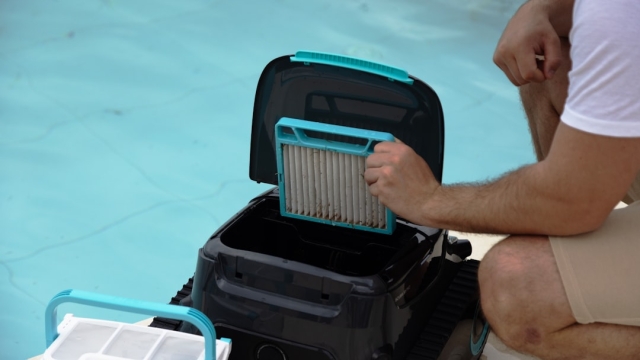

As the chill of winter approaches, pool owners must take proactive measures to protect their investment. In regions like the DMV area, where temperatures can drop significantly, implementing effective pool protection strategies becomes essential. Properly winterizing your pool not only preserves its condition but also saves time and money in the long run. This article will guide you through the importance of winter pool protection, a step-by-step process for winterizing your pool, and common mistakes to avoid during this critical time.
Understanding the Importance of Winter Pool Protection
Winter can be harsh on pools, especially if they are not adequately prepared for the cold months ahead. Water can freeze in the plumbing and equipment, leading to costly damages. Additionally, debris accumulation can result in algae growth and other issues when spring arrives. By employing effective pool protection strategies, you can safeguard your pool against these potential problems, ensuring it remains in optimal condition for use when warmer weather returns. Protecting your pool during winter also helps maintain its structural integrity, which is vital for longevity and performance.
Step-by-Step Guide to Winterizing Your Pool
Winterizing your pool involves several key steps that, when followed correctly, will help ensure its protection throughout the season. Here’s a comprehensive guide:
1. Clean the Pool
Start by thoroughly cleaning the pool. Remove any leaves, debris, and dirt from the water. Use a pool skimmer and vacuum to ensure that the surfaces are clean. This step is crucial as it helps prevent algae growth and keeps the pool water balanced.
2. Balance the Water Chemistry
Test the pool water’s chemical levels, including pH, alkalinity, and calcium hardness. Adjust these levels as necessary to ensure the water is balanced. Properly balanced water helps prevent corrosion and scaling on the pool surfaces and equipment.
3. Lower the Water Level
For in-ground pools, lower the water level to below the skimmer. This prevents water from freezing in the skimmer and plumbing lines. Above-ground pools may require a different approach, such as using a pool cover that fits snugly.
4. Add Winterizing Chemicals
Consider adding winterizing chemicals to your pool water. These chemicals help prevent algae growth and keep the water clear throughout the winter months. Follow the manufacturer’s instructions for proper dosage.
5. Drain and Store Equipment
Drain all pool equipment, including pumps, filters, and heaters. Storing these components in a dry place helps prevent damage from freezing temperatures. For above-ground pools, be sure to disassemble and store any removable parts properly.
6. Cover the Pool
Invest in a high-quality pool cover that fits your pool correctly. A good cover will keep debris out and protect your pool from harsh weather conditions. Make sure the cover is secured tightly to avoid any gaps that could allow debris to enter.
Common Mistakes to Avoid When Protecting Your Pool
While winterizing your pool, it is essential to be aware of common mistakes that can impede your pool protection strategies:
1. Neglecting to Clean
Failing to clean the pool thoroughly before winterizing can lead to algae and bacteria growth. Always prioritize cleaning before closing your pool.
2. Ignoring Water Chemistry
Not balancing the water chemistry can result in damage to the pool surfaces and equipment. Always test and adjust your water chemistry before winter.
3. Skipping Equipment Drainage
Leaving water in the plumbing and equipment can cause freezing and cracking. Be diligent in draining all components to avoid costly repairs.
4. Using Poor Quality Covers
A flimsy or poorly fitted cover can lead to debris accumulation and damage. Invest in a durable cover designed for your pool type.
Expert Recommendations and Resources
If you’re looking for additional assistance and guidance on winterizing your pool, consider consulting professionals who specialize in pool maintenance. Their expertise can provide you with tailored advice and solutions that ensure your pool remains in excellent condition throughout the winter months. For a comprehensive resource on winter pool protection, you can explore more about effective winterization methods here.
In conclusion, implementing effective pool protection strategies is vital for preserving your pool during winter. By following the steps outlined above and avoiding common mistakes, you can ensure that your pool is ready for enjoyment when the warm weather returns. Protect your investment, and enjoy peace of mind knowing your pool is well taken care of during the cold months.